

The SPARC team provides cutting-edge diagnostic and therapeutic endoscopic interventions.
Allowing for organ-sparing, curative endoscopic procedures.
With technological advances in endoscopy, physicians can now readily detect early gastrointestinal cancers and their precursor lesions during diagnostic endoscopy and colonoscopy. Moreover, with the development of minimally invasive endoscopic resection techniques, these lesions can be removed effectively and safely, allowing for organ preservation.
Innovative devices and techniques for treating gastrointestinal diseases are continuously being integrated as evidence emerges that supports their role in patient care.
The SPARC team’s goal is to advance the treatment of patients with gastrointestinal diseases in British Columbia. This includes identifying best practices through quality assurance and innovative research.
Endoscopic Mucosal ResectionEMR
Endoscopic mucosal resection (EMR) is a minimally invasive endoscopic resection technique used to remove lesions affecting the esophagus, stomach, small intestine and large intestine. It is most commonly used to remove large polyps in the colon and rectum.
Key benefits:
EMR is proven to be both effective and safe, thus avoiding the need for surgery and allowing for organ preservation. Generally a day procedure performed during a gastroscopy or colonoscopy, patients rarely require a short hospital admission for observation.
Procedure steps:
- Pre-procedure care: Depending on the location of the lesion, your doctor’s office will provide you with a fasting protocol and inform you of the need for bowel cleansing.
- Consent: Prior to the procedure, your doctor will discuss its risks. Although uncommon, they include bleeding, perforation (damage to the organ wall), unsuccessful resection, cancer within the resection specimen, and oversedation or allergic reaction to the medications provided during the procedure.
- Sedation: Both a sedative and a pain control medication are commonly provided to ensure comfort during the procedure.
- Lesion removal: Once the lesion is identified, a solution is commonly injected underneath the lesion to create a cushion to increase procedure safety. A specialized snare is then used to entrap the lesion, which is then removed with electrocautery. The specimen is collected for pathology evaluation.
- Post-procedure care: Patients will normally follow up with their doctor within two weeks to review the pathology evaluation and discuss the need for further surveillance procedures.
Endoscopic submucosal dissectionESD
Endoscopic submucosal dissection (ESD) is a minimally invasive procedure performed with an endoscope to facilitate removal of early pre-cancerous and cancerous lesions throughout the gastrointestinal tract by carefully dissecting around and underneath the lesion.
Key benefits:
ESD is proven to be both effective and safe, thus avoiding the need for surgery and allowing for organ preservation. Generally a day procedure performed during a gastroscopy or colonoscopy, patients rarely require a short hospital admission for observation.
Procedure:
- Pre-procedure care: Depending on the location of the lesion, your doctor’s office will provide you with preparation protocols. You may need to consult with an anesthesiologist before the procedure.
- Consent: Prior to the procedure, your doctor will discuss its risks. They include bleeding, perforation, unsuccessful resection, non-curative resection, and oversedation or allergic reaction to the medications provided during the procedure.
- Sedation: Both a sedative and a pain control medication are commonly provided to ensure comfort during the procedure. For lesions in the esophagus and stomach, sedation is commonly provided by an anesthesiologist.
- Lesion removal: The lesion is identified and marked. A cushion of fluid is injected underneath and around the lesion. We then use a specialized electrosurgical knife to excise around and under the lesion to remove it in one piece. The specimen is collected for pathology evaluation.
- Post-procedure care: While certain circumstances require a short stay in the hospital for monitoring, discharge home the same day is often possible. Follow up is arranged to review the pathology results and discuss the need for future procedures.
Endoscopic full-thickness resectionEFTR
Endoscopic full-thickness resection (EFTR) allows for the removal of lesions along the gastrointestinal tract that are not amenable to conventional endoscopic resection techniques such as EMR and ESD. This includes lesions originating from deeper layers of the gastrointestinal tract such as the muscle layer of the gastrointestinal wall, and advanced early cancers of the gastrointestinal tract in patients who are not candidates for surgery.
Procedure:
- Pre-procedure care: Depending on the location of the lesion, your doctor’s office will provide you with preparation protocols. You may need to consult with an anesthesiologist before the procedure.
- Consent: Prior to commencing the procedure, your doctor will discuss its risks. Although uncommon, they include bleeding, unsuccessful defect closure, unsuccessful resection, cancer within the resection specimen and oversedation or allergic reaction to the medications provided during the procedure.
- Sedation: Sedation will generally be provided by an anesthesiologist.
- Lesion removal: The lesion is identified and marked. A cushion of fluid is injected underneath and around the lesion. We then use a specialized electrosurgical knife to excise around and under the lesion to remove it in one piece, which can commonly include all layers of the bowel wall. The specimen is collected for pathology evaluation. After the lesion is removed, the defect is closed using various techniques such as suturing, clipping or the application of specialized devices.
- Post-procedure care: In most circumstances, the patient will have a short stay in hospital for monitoring and will be discharged home the following day. Follow up is arranged to review the pathology results and discuss the need for future procedures.
Peroral endoscopic myotomyPOEM
Peroral endoscopic myotomy (POEM) is a minimally invasive endoscopic procedure used to treat achalasia, a disorder of the esophagus that affects its ability to move food into the stomach due to persistent spasms in the muscle at the bottom of the esophagus. Variants of the procedure can be used to treat esophageal diverticula (outpouchings of the esophagus) and gastroparesis.
Key benefits of POEM:
POEM has several advantages over traditional surgical approaches for treating achalasia. These include shorter hospital stays, faster recovery and a reduced risk of post-procedure complications.
Procedure:
- Pre-procedure care: Due to risk of residual food/debris within the esophagus, a specialized fasting protocol will be given to you. You may need to consult with an anesthesiologist before the procedure.
- Consent: Prior to commencing the procedure, your doctor will discuss its risks. Although uncommon, they include bleeding, perforation, unsuccessful POEM, reflux, and oversedation or allergic reaction to the medications provided during the procedure.
- Sedation: Sedation will generally be provided by an anesthesiologist.
- POEM: A flexible endoscope is inserted through the mouth and advanced into the esophagus. Using an electrosurgery knife passed through the endoscope, an incision in the inner lining of the esophagus, known as the mucosa, is created. This incision allows access to the underlying muscles. Once the mucosal incision is made, a tunnel underneath the mucosa is made from the incision to the stomach. The endoscopist cuts the muscles of the esophagus using the instruments passed down the channel of the endoscope. This step is crucial in relieving the pressure on the lower esophageal sphincter, which is typically tight or dysfunctional in achalasia. By cutting these muscles, the procedure aims to improve the passage of food and liquids into the stomach. After the myotomy is completed, the incision in the esophageal lining is closed using devices such as mechanical clips.
- Post-procedure care: In most circumstances, the patient will have a short stay in hospital for monitoring and will be discharged home the following day. Follow up is arranged to help with a gradual return to regular eating.
Barrett’s endotherapyBE
Barrett’s endotherapy refers to the treatment of Barrett’s esophagus, which is a change in the lining of the esophagus due to reflux and is a risk factor for esophageal cancer. Barrett’s endotherapy includes radiofrequency ablation (RFA), hybrid argon plasma coagulation (H-APC) and cryotherapy.
Key benefits:
Barrett’s endotherapy is the standard of care for eradicating Barrett’s esophagus, therefore decreasing the risk of esophageal cancer. It is a day procedure performed during a gastroscopy.
Procedure:
- Pre-procedure care: Your doctor’s office will provide you with a fasting protocol.
- Consent: Prior to the procedure, your doctor will discuss its risks. Although uncommon, they include bleeding, perforation (damage to the organ wall), post-procedure pain, stricture formation (narrowing of the esophagus), and oversedation or allergic reaction to the medications provided during the procedure.
- Sedation: Both a sedative and a pain control medication are commonly provided to ensure comfort during the procedure.
- Barrett’s endotherapy: Once the segment of the esophagus affected by Barrett’s esophagus has been carefully evaluated to ensure a lesion is not present that requires endoscopic resection, one of the modalities mentioned above is applied using tools either passed through the scope or alongside the scope.
- Post-procedure care: Patients will normally follow up with their doctor within two weeks to review the outcome of the procedure and discuss the need for further therapy. On average, three to four Barrett’s endotherapy sessions are required to eliminate Barrett’s esophagus.
Endoscopic ultrasoundEUS
Endoscopic ultrasound (EUS) combines endoscopy and ultrasound. The instrument is a thin, flexible tube with a camera and an ultrasound probe at the end. This allows the endoscopist to visualize the inner lining of the gastrointestinal (GI) tract with the camera and to visualize the wall layers of the GI tract and nearby structures with the ultrasound.
EUS can a) help determine whether a gastrointestinal cancer is suitable for endoscopic management, b) assist in staging the cancer to guide surgical decision-making and c) evaluate subepithelial lesions (those growing beneath the inner lining of the gastrointestinal tract).
Key benefits:
EUS is a minimally invasive procedure that provides critical information to guide a personalized treatment plan. Identifying a patient as eligible for endoscopic resection offers a less invasive alternative to surgery.
Procedure:
- Pre-procedure care: Your doctor’s office will provide you with a fasting protocol.
- Consent: Prior to commencing the procedure, your doctor will discuss its risks. Although uncommon, they include perforation (damage to the organ wall), post-procedure pain, and oversedation or allergic reaction to the medications provided during the procedure.
- Sedation: Both a sedative and a pain control medication are commonly provided to ensure comfort during the procedure.
- EUS: An echoendoscope is inserted through the mouth or anus, depending on the location of the lesion within the GI tract. The camera attached to the endoscope allows the endoscopist to evaluate lesions that involve the lining of the GI tract. There is a small channel in the echoendoscope that allows the endoscopist to pass a small needle down the length of the instrument. Under ultrasound guidance, the endoscopist can advance the needle into the lesion and obtain a biopsy that is sent to pathology.
- Post-procedure care: EUS is a day-procedure. Patients will normally follow up with their doctor within two weeks to review the outcome of the procedure and discuss the need for further therapy.
Capsule endoscopy/enteroscopyCE
Small bowel capsule endoscopy (CE) is a non-invasive diagnostic tool to visualize the inside of the small bowel. It is performed using a pill-sized camera that travels through the digestive tract while taking a large number of still images over approximately 12 hours. There are several platforms of CE available at St. Paul’s Hospital that allows us to better serve the unique needs of British Columbians.
Double-balloon enteroscopy (DBE) is a diagnostic and therapeutic tool used to reach areas in the small bowel that are out of reach for standard endoscopes and colonoscopes. DBE is performed using a flexible endoscope that has two balloons, one fixed at the end of the endoscope and the other attached to an overtube that slides back and forth over the endoscope. The two balloons provide traction to pleat the small bowel over the endoscope, similar to how a curtain pleats on a rod. DBE can be performed either antegrade (orally) or retrograde (anally) depending on the estimated location of the small bowel lesion. This procedure allows for lesion removal, as well as biopsy or marking of small bowel lesions for future surgical intervention. CE and DBE are complementary tools in the management of small bowel disorders.
Key benefits:
CE is a non-invasive means of directly visualizing the small intestine with superior accuracy to radiological imaging to detect subtle small bowel lesions. DBE provides the ability to diagnose and treat small bowel lesions that are inaccessible to traditional endoscopy.
Procedure (CE):
- Pre-procedure care: Your doctor’s office will provide you with a fasting protocol and bowel preparation regimen.
- Consent: Prior to commencing the procedure, your doctor will discuss its risks. Although uncommon, they include non-diagnostic CE and CE retention.
- CE: The capsule is ingested with water or placed endoscopically under conscious sedation in certain clinical situations. Patients do not need to stay in the hospital for the duration of the examination.
- Post-procedure care: Once the recording is complete, the equipment is returned after completion of the examination so that images can be downloaded and reviewed by experienced endoscopists.
Procedure (DBE):
- Pre-procedure care: Depending on the location of the lesion, your doctor’s office will provide you a fasting protocol and inform you of the need for bowel cleansing.
- Consent: Prior to commencing the procedure, your doctor will discuss its risks. Although uncommon, they include bleeding, perforation (damage to the organ wall), unsuccessful DBE, and oversedation or allergic reaction to the medications provided during the procedure.
- CE: The capsule is ingested with water or placed endoscopically under conscious sedation in certain clinical situations. Patients do not need to stay in the hospital for the duration of the examination.
- Sedation: Both a sedative and a pain control medication are commonly provided to ensure comfort during the procedure. Depending on lesion location, sedation by an anesthesiologist may be necessary.
- DBE: The endoscope is inserted into the GI tract with careful inspection of the lining to identify and evaluate the lesion of interest. Therapeutic intervention depends on the nature of the small bowel lesion. Lesions are commonly removed with EMR. Bleeding lesions can be injected with medication, cauterized or clipped to stop bleeding. Strictures can be dilated using a balloon dilator that is inserted through the endoscope. Lesions of interest may be marked in proximity with an injection of a permanent ink into the small bowel lining for future reference. This facilitates identification of the area during subsequent procedures.
- Post-procedure care: Patients will normally follow up with their doctor within two weeks to review the pathology evaluation and discuss the need for further procedures.
Consultation
Critical to performing minimally invasive endoscopic procedures is a pre-procedure consultation with a SPARC physician. This allows the physician to take a thorough history of the patient’s health concerns, medications and lesion characteristics. Moreover, it provides the specialist and patient an opportunity to discuss the risks and benefits of the treatment options available.
SPARC offers in person or virtual consultation for:
- Gastrointestinal cancer screening and pre-cancerous lesion surveillance
- Barrett’s esophagus
- Early esophageal cancer
- Early gastric cancer
- Chronic atrophic gastritis and intestinal metaplasia
- Achalasia and esophageal dysmotilities
- Zenker’s diverticulum
- Large colorectal polyps
- Polyposis syndromes
- Hereditary cancer syndromes
See what our patients have to say about SPARC

It is hard to express how much I appreciate what Dr. Shahidi did for me. The Z-POEM procedure for my Zenker’s diverticulum was a life changing experience, and I cannot thank him and his team at the St. Paul’s Hospital Advanced Endoscopic Resection Centre enough. THANK YOU THANK YOU THANK YOU!!!!!!
Dan Larson Pitt Meadows, BC

At the age of 81, I was admitted into St. Paul’s Hospital after feeling ill while attending a concert. This was my first time in a hospital. Within a very short time I was assigned a medical team led by Dr. Shahidi. After having all the required tests I was diagnosed with esophageal cancer. Dr. Shahidi explained the treatment options and the different outcomes: traditional surgery or endoscopic resection, which is much less invasive. I chose the endoscopic resection; Dr. Shahidi is the leader in this field of medicine. It was the right choice for me. I feel 10 years younger, my stomach pains are gone, and I am looking forward to living a normal and happy life. My family and I consider ourselves lucky to have received the best medical advice and treatment by Dr. Shahidi and his team and the St. Paul’s Hospital staff.
Christian Walli Richmond, BC
Right from our first phone call Dr. Neal Shahidi was friendly, informative and communicative about the procedure. He was understanding and compassionate. He came highly recommended and seemed very experienced. His surgery on me was successful even though I had a very large polyp. I’m grateful he was willing to do my colonoscopy, and I had a good outcome.
N/A Abbotsford, BC
I have had several procedures done by Dr. Shahidi at St. Paul’s Hospital. Dr. Shahidi is an outstanding doctor both in skill and compassion. He always explains everything before the procedures to put me at ease. The nurses are always excellent, too. I am very happy with my outcome.
Naseem Somani Hjerpe Port Moody, BC
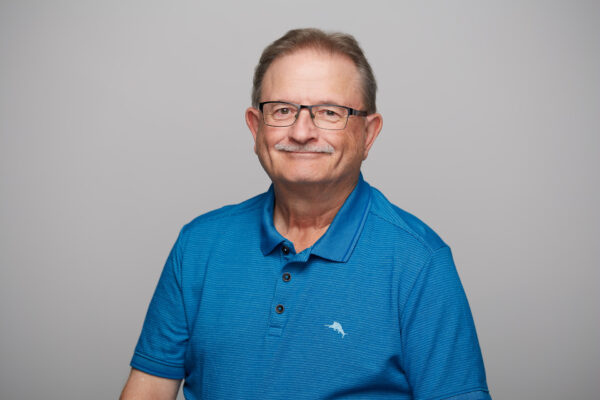
In March 2022, a large polyp in my colon could not be removed during a routine colonoscopy. However, Dr. Lam was able to remove it at St Paul’s Hospital in collaboration with SPARC. The team was outstanding: everyone was kind, supportive, and kept me comfortable and calm. The procedure was painless and they were able to remove the large polyp. It was a great relief to find out it was benign. I cannot thank Dr. Lam and the SPARC team at St. Paul’s enough for them helping me through this process.
Gary Wozny Vancouver, BC CPA, CA
In the fall of 2020 doctors in Victoria discovered serious cell growth in my esophagus and sent me to Dr. Neal Shahidi at St. Paul’s Hospital for surgery. The operation was performed on March 19, 2021. Upon arrival at St. Paul’s, the staff made me feel comfortable and showed professionalism. The gastroenterology team were excellent and put me at ease. Dr. Shahidi was so kind and thorough in explaining the details and risks of the operation that I had complete confidence in him and his team. Dr. Shahidi is very good at his work and he enjoys his job.
Jim Brown Courtenay, BC
I first became a patient at St. Paul’s hospital in 2022, having surgery for esophageal cancer. I continue to visit for scoping every six months. Each time I arrive there is always staff to help direct me where to go. In the GI ward, I am looked after by a staff of competent nurses both before and after my procedure. I’m made comfortable and am well looked after until my wife is there to walk me out.
Kenneth Victoria, BC
I was having difficulty swallowing some of my food, had a scope in Kamloops, was told I had Barrett’s esophagus and was given a referral to Dr. Neal Shahidi at St. Paul’s Hospital in Vancouver.
Elizabeth Kamloops, BC
I was nervous initially, but long story short, I have been very impressed with Dr. Shahidi, the SPARC nurses, and how well I’ve been taken care of. I can now swallow, don’t worry so much about cancer and can thank them all for this. I highly recommend SPARC.
I found out I had esophageal cancer in March 2024 and was sent to Dr. Shahidi at St. Paul’s Hospital for surgery. The day of the operation Dr. Shahidi came in and said I had nothing to worry about and made me feel at ease. He is personable, knowledgeable and caring, and works well with his team. I feel confident in Dr. Shahidi’s care and advocate for more doctors like him: not only his amazing medical expertise but also his genuine compassion for his patients. I have been cancer-free since June 2024 and I thank Dr. Shahidi very much.
Debbie Lambert Cloverdale, BC
My well-respected gastroenterologist told me that a large polyp in my colon needed to be examined and removed by one of his colleagues, Dr. Eric Lam, at St. Paul’s Hospital. Throughout the ongoing process, I received exceptional care, support and compassion. While going to the hospital can be stressful, I always felt listened to and reassured. Outstanding teamwork, GI clinic team! I write this testimonial with profound gratitude.
Arlene O’Reilly Vancouver, BC
-

Equitable endoscopy care for underserved patients
Dr. Neal Shahidi is committed to advancing equity in endoscopic care for all British Columbians.
-

Successful 2025 CIHR team grant award
The international trial, led by Dr. Daniel von Renteln and joined by Dr. Neal Shahidi, will examine bleeding prevention techniques after large polyp removal.