

Welcome to SPARC. We perform minimally invasive endoscopic resections for pre-cancerous lesions and early cancers affecting the gastrointestinal tract.
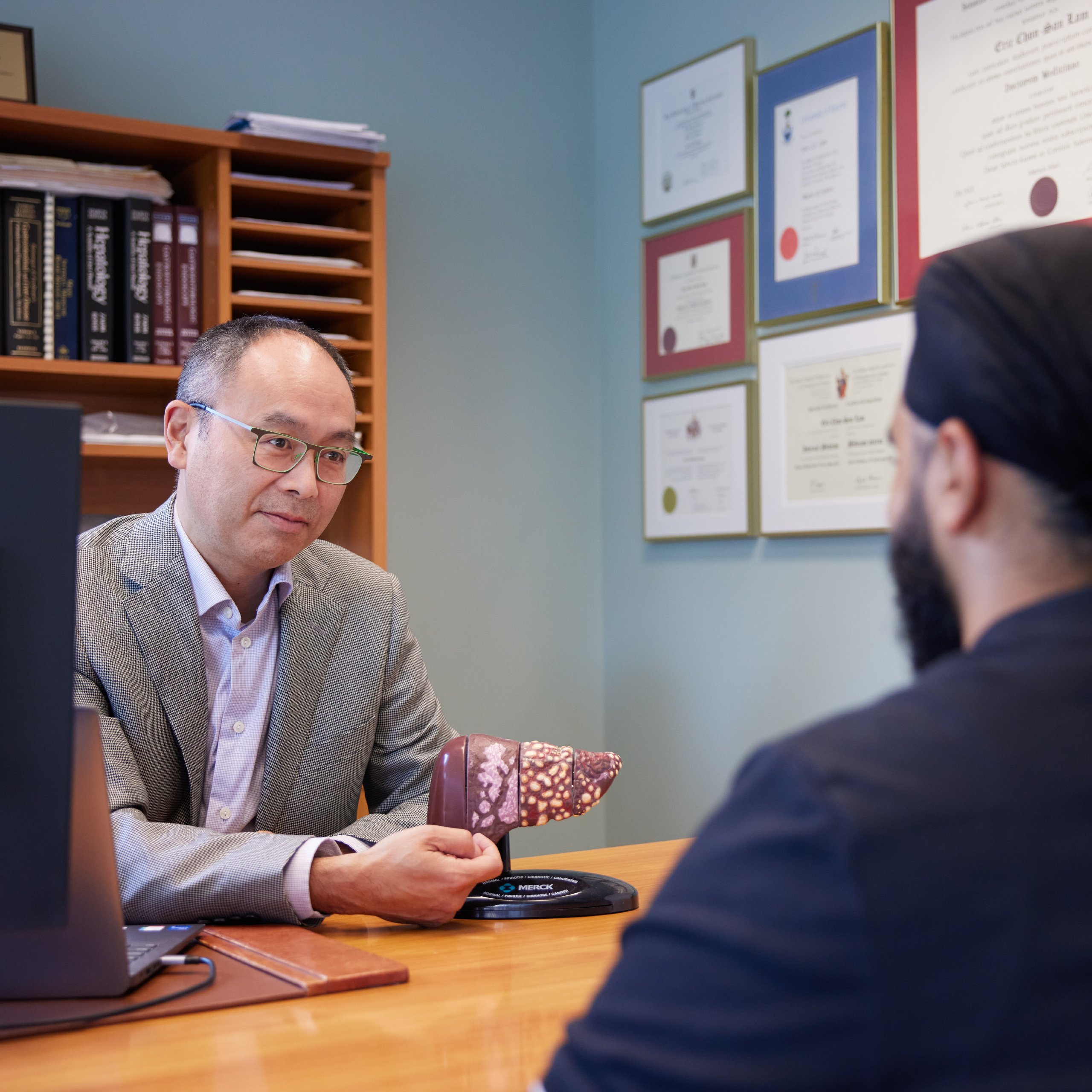
State-of-the art transformative care
Founded in 2021, SPARC has brought cutting-edge, minimally invasive procedures to British Columbia for patients with pre-cancerous and early cancers affecting the gastrointestinal tract. The SPARC program is part of the Digestive Health Centre of BC and is a leader in the area of interventional endoscopy.
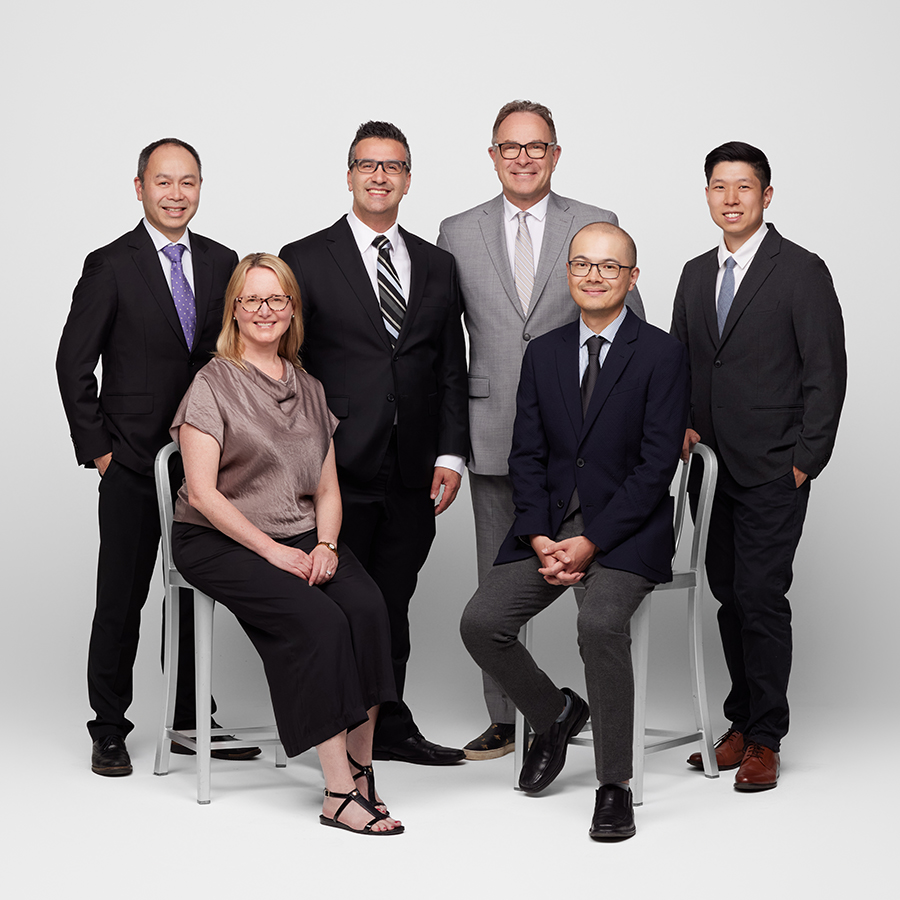
World-class team, world-class care
Our group of sub-specialty trained physicians have come together to build an interventional endoscopy program that stresses quality in minimally invasive endoscopic procedures. Successful patient outcomes alongside compassionate care form the basis of SPARC philosophy.
SPARC quick facts
1.8M+
People annually diagnosed with colorectal cancer
Cancers of the gastrointestinal (GI) tract are the most common cause of cancer-related death worldwide.
1M+
People annually diagnosed with gastric cancer
Cancers of the gastrointestinal (GI) tract are the most common cause of cancer-related death worldwide.
500K+
People annually diagnosed with esophageal cancer
Cancers of the gastrointestinal (GI) tract are the most common cause of cancer-related death worldwide.
SPARC offers organ-sparing, minimally invasive endoscopic procedures
Historically, pre-cancerous lesions and early cancers affecting the esophagus, stomach and colorectum required surgery. However, advances in the field of interventional endoscopy now allow our physicians to provide organ-sparing, minimally invasive treatments that are performed during an endoscopy. These are done completely by camera and do not require external incisions. This allows for same-day procedures with increased safety and faster recovery.
Some of the conditions we treat
While there is a broad scope in interventional endoscopy, here are some of the more common conditions that we treat at SPARC.
Large colorectal polyps and early colorectal cancer
Endoscopic resection is the first-line treatment strategy for the majority of large colorectal polyps.
Early gastric cancer and atrophic gastritis/intestinal metaplasia
If detected early, gastric cancer can be effectively treated by endoscopic resection.
Hereditary cancer syndromes
These syndromes increase the risk of colorectal cancer and/or other cancers within the body.
Barrett’s esophagus
This condition involves changes in the lining of the esophagus, increasing the risk of esophageal cancer.
Early esophageal cancer
Esophageal cancer is on the rise in Canada, specifically amongst men.
Achalasia and esophageal dysmotilities
These diseases impair the ability of food entering the stomach.
What our patients have to say about SPARC
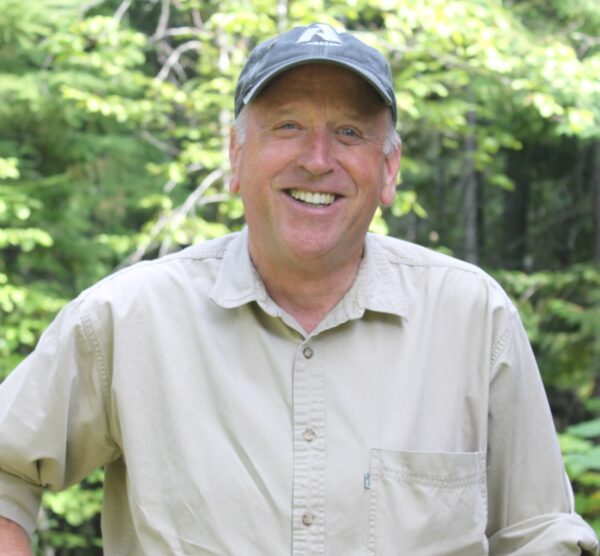
At the age of 81, I was admitted into St. Paul’s Hospital after feeling ill while attending a concert. This was my first time in a hospital. Within a very short time I was assigned a medical team led by Dr. Shahidi. After having all the required tests I was diagnosed with esophageal cancer. Dr. Shahidi explained the treatment options and the different outcomes: traditional surgery or endoscopic resection, which is much less invasive. I chose the endoscopic resection; Dr. Shahidi is the leader in this field of medicine. It was the right choice for me. I feel 10 years younger, my stomach pains are gone, and I am looking forward to living a normal and happy life. My family and I consider ourselves lucky to have received the best medical advice and treatment by Dr. Shahidi and his team and the St. Paul’s Hospital staff.
Christian Walli Richmond, BC
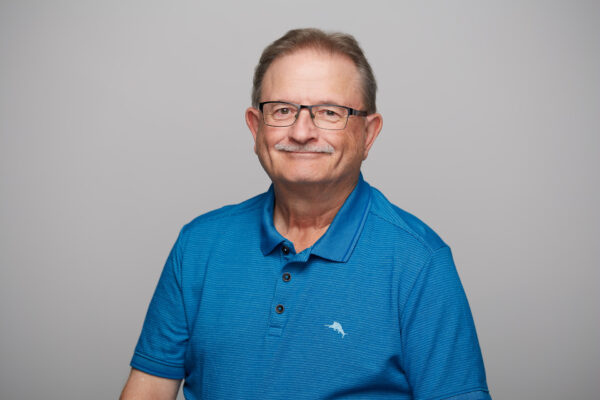
In March 2022, a large polyp in my colon could not be removed during a routine colonoscopy. However, Dr. Lam was able to remove it at St Paul’s Hospital in collaboration with SPARC. The team was outstanding: everyone was kind, supportive, and kept me comfortable and calm. The procedure was painless and they were able to remove the large polyp. It was a great relief to find out it was benign. I cannot thank Dr. Lam and the SPARC team at St. Paul’s enough for them helping me through this process.
Gary Wozny Vancouver, BC CPA, CA

In the fall of 2020 doctors in Victoria discovered serious cell growth in my esophagus and sent me to Dr. Neal Shahidi at St. Paul’s Hospital for surgery. The operation was performed on March 19, 2021. Upon arrival at St. Paul’s, the staff made me feel comfortable and showed professionalism. The gastroenterology team were excellent and put me at ease. Dr. Shahidi was so kind and thorough in explaining the details and risks of the operation that I had complete confidence in him and his team. Dr. Shahidi is very good at his work and he enjoys his job.
Jim Brown Courtenay, BC
My well-respected gastroenterologist told me that a large polyp in my colon needed to be examined and removed by one of his colleagues, Dr. Eric Lam, at St. Paul’s Hospital. Throughout the ongoing process, I received exceptional care, support and compassion. While going to the hospital can be stressful, I always felt listened to and reassured. Outstanding teamwork, GI clinic team! I write this testimonial with profound gratitude.
Arlene O’Reilly Vancouver, BC
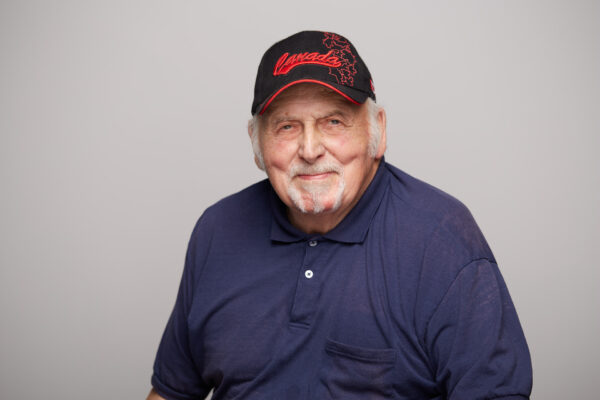
A small tumour was discovered on my esophagus. A biopsy determined it was cancer. Removal of the esophagus, major surgery, and way of life changes were discussed. I was considering just living out the duration of my life without anything being done. Thank God I was directed to Dr. Lam. He removed the tumour before it spread. After one day and night stay at the hospital it was over!
Michael Douglas Clark Vancouver, BC
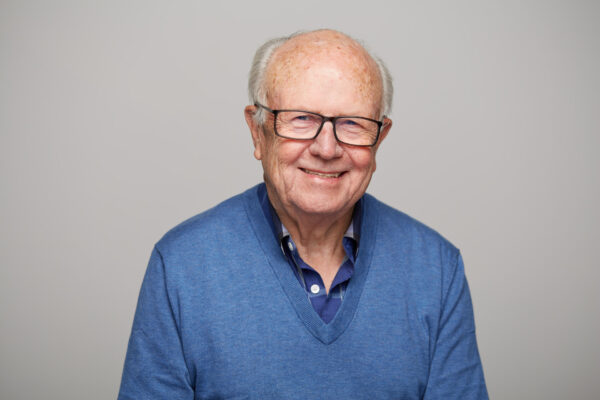
I had difficulty swallowing and there was excessive choking and regurgitation of food. My quality of life was at a low. Dr. Lam was able to perform surgery to correct the problem. My post-operative recovery was nothing short of miraculous. Shortly after the operation I was eating my meals with no symptoms, limitation or worry. I have had a remarkable change in my overall quality of life. I am grateful for the exemplary care provided by Dr. Lam, nurses and support staff throughout the process to diagnose and treat my problems.
Dr. James Lugsdin MD, MSc, FRCP (C)
-

Successful 2025 UBC FoM SSRP Award – Yaseen Mandoub Hashemi
Under the supervision of Dr. Neal Shahidi and the SPARC research team, undergraduate student Yaseen Mandoub Hashemi explored hereditary polyposis syndrome awareness and preventive care outcomes through the 2025 UBC FoM SSRP.
-

Outreach Education in Endoscopy Skills in British Columbia
Dr. Eric Lam is a certified instructor in the Skills Enhancement in Endoscopy program at the Canadian Association of Gastroenterology. He developed a pilot program along with support from the local hospitals and community partners to bring endoscopy skills enhancement to Cranbrook and Fernie.